
12 Mistakes to Avoid in Roanoke Web Design
Roanoke is a vibrant city, and its web design scene reflects that energy. Whether you’re a local business or a freelancer, creating an effective website can feel overwhelming. To help you navigate this landscape, we’ve compiled a list of common mistakes to avoid. By steering clear of these pitfalls, you can elevate your web design game and better capture the essence of Roanoke.
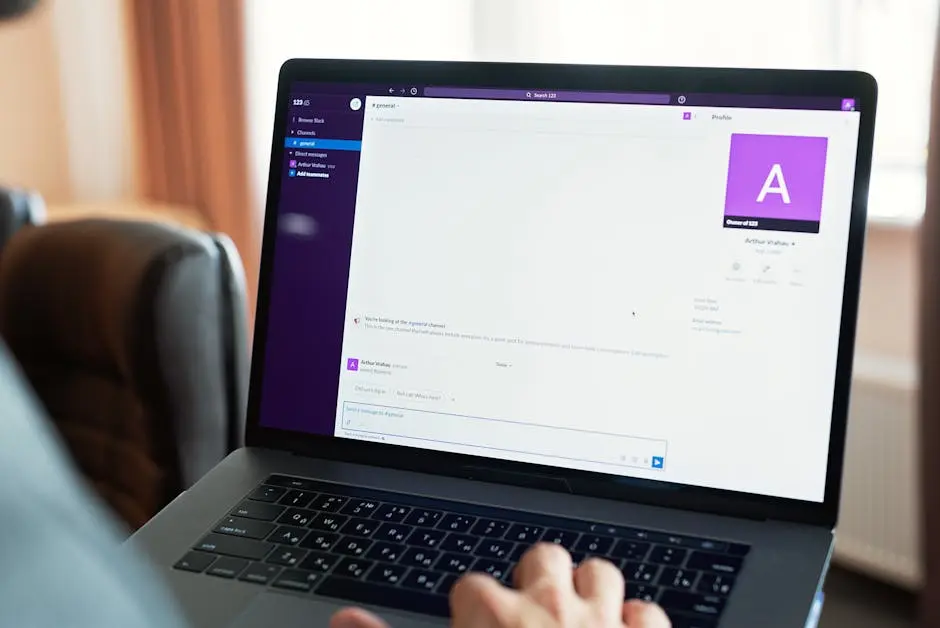
1. Neglecting User Experience
User experience is paramount. Failing to prioritize how visitors interact with your site can lead to high bounce rates and lost opportunities.
Imagine landing on a website that feels clunky and hard to navigate. Most visitors won’t stick around for long. It’s crucial to design with empathy, understanding the needs of your audience. Taking the time to simplify your site layout can make all the difference.
A seamless experience includes everything from loading times to intuitive interface elements. If users can find what they need quickly and easily, they’re more likely to engage with your content and become loyal customers.
2. Ignoring Mobile Responsiveness
With so many people browsing on mobile devices, not ensuring your site looks great on smaller screens can alienate potential customers. These days, users expect an optimal experience, whether they’re on a desktop or smartphone.
Think about it—do you really enjoy squinting at tiny text or scrolling through a site that appears broken on your phone? A mobile-friendly design isn’t just a nice-to-have; it’s a must in today’s digital landscape. Mobile responsiveness boosts your chances of retaining visitors and enhancing their overall experience.
3. Overcomplicating Navigation
If users can’t find what they’re looking for easily, they’ll likely leave. Keeping the navigation simple and intuitive is essential. Creating a clear layout not only helps users but also enhances your site’s SEO.
Cluttered menus with excessive options can confuse visitors. Instead, aim for a streamlined structure with logical categories that direct users effortlessly to their desired destination. Consider adding breadcrumbs or a search function to aid navigation.
4. Using Outdated Design Trends
Design trends evolve quickly. Sticking to outdated styles can make your site look unprofessional and uninviting. A fresh, modern design reflects a business that is in tune with the times.
Updating your site’s appearance doesn’t just keep it looking current; it can also improve functionality and user experience. Think about your audience—do they respond better to sleek, modern aesthetics or clunky, outdated designs? Staying informed on design trends helps you remain relevant in a competitive market.
5. Forgetting About Accessibility
Making your website accessible to all users, including those with disabilities, is crucial for inclusivity and compliance. Accessible design should be a foundational aspect of your site from the beginning.
Implementing features such as alt text for images, proper contrast ratios, and keyboard navigation can greatly enhance the experience for those with disabilities. Remember, accessibility isn’t just about following laws—it’s about reaching the widest audience possible.
6. Ignoring SEO Best Practices
Even the best-designed websites need to be found. Overlooking SEO can result in your site being lost amongst competitors. A beautiful site won’t help if it doesn’t appear in search results.
Incorporating relevant keywords, optimizing meta tags, and ensuring your site structure is search engine friendly are all vital steps. Think of SEO as the road map to your site, guiding visitors through the vast wilderness of the internet.
7. Neglecting Content Quality
Quality content engages visitors and encourages them to stay. Poorly written or irrelevant content can damage your credibility. It’s essential to invest time in crafting clear, concise, and valuable information.
Regularly updating your content and ensuring it resonates with your audience is just as important as the visuals on your site. High-quality content not only attracts visitors but can also be a game-changer for your brand’s reputation.
8. Overloading with Graphics
While visuals are important, too many graphics can distract from the message. Balance is key to maintaining focus. Strive for a design that enhances rather than overwhelms your content.
Opting for strategically placed images alongside concise text can help guide users through your content without creating a chaotic experience. Remember, each graphic should serve a purpose and contribute to the overall narrative.
9. Failing to Optimize Load Times
Slow websites drive visitors away. Optimizing load times should be a priority for retaining users and improving SEO. A delay of just a few seconds can lead to significant drop-offs in traffic.
To enhance load times, consider compressing images, minimizing scripts, and choosing a reliable host. Every second counts, and a fast site enhances the overall user experience, making visitors more likely to return.
10. Lacking a Clear Call to Action
Visitors should know what steps to take next. Clear calls to action guide users and enhance conversion rates. It’s like a friendly nudge towards making a decision.
Well-placed buttons or prompts can significantly impact user behavior. Whether it’s ‘Sign Up Now’ or ‘Learn More,’ such directives help users feel more engaged and directionally guided, reducing decision fatigue.
11. Not Keeping Your Website Updated
An outdated website can give a poor impression. Regular updates show that you care about your online presence. Keeping your site fresh involves everything from design tweaks to content updates.
This ongoing effort not only helps retain an audience but can also improve your site’s ranking—search engines favor regularly updated content. Think of your website as a living entity that needs constant nurturing.
12. Underestimating the Importance of Testing
Testing your website on various devices and browsers ensures that everyone has a positive experience, regardless of how they access your site. It’s easy to assume everything works perfectly, but user experience can vary widely.
Conducting usability tests before launch and periodically after can reveal hidden issues that might discourage visitors. Make it a habit to gather feedback and continually refine your site for maximum effectiveness.
Do you need a website that is built to engage and convert? Visit our Web Design service page or reach out for a free consultation.